Vacuum consolidation method
Overview
Soft-ground improvement applying vacuum pressure directly to drains using the native sealing layer — Korea Construction New Technology No. 568
Key strengths
Simpler install and operation with less surcharge and airtight-sheet dependence
Direct vacuum along the drain path — pore-water discharge and consolidation
Individual airtight connectors and instrumentation-based monitoring during construction
Method diagram

Technical effects

- Native sealing layer — individual vacuum without airtight-sheet dependence
- Direct drain pressurization — vacuum along the PVD path
- Isotropic vacuum — even transfer by section-wise connectors
- In-construction control — vacuum and instrumentation checks
Construction process
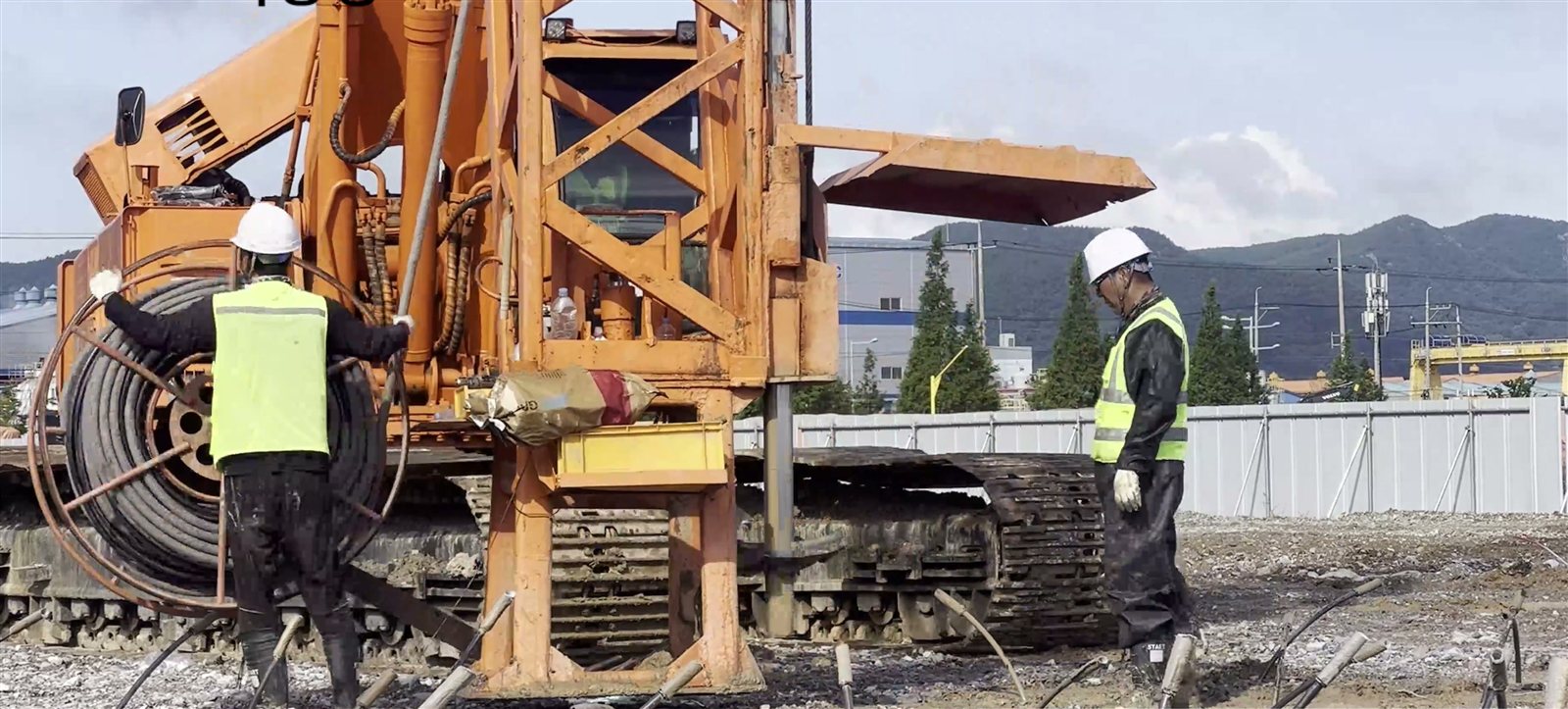
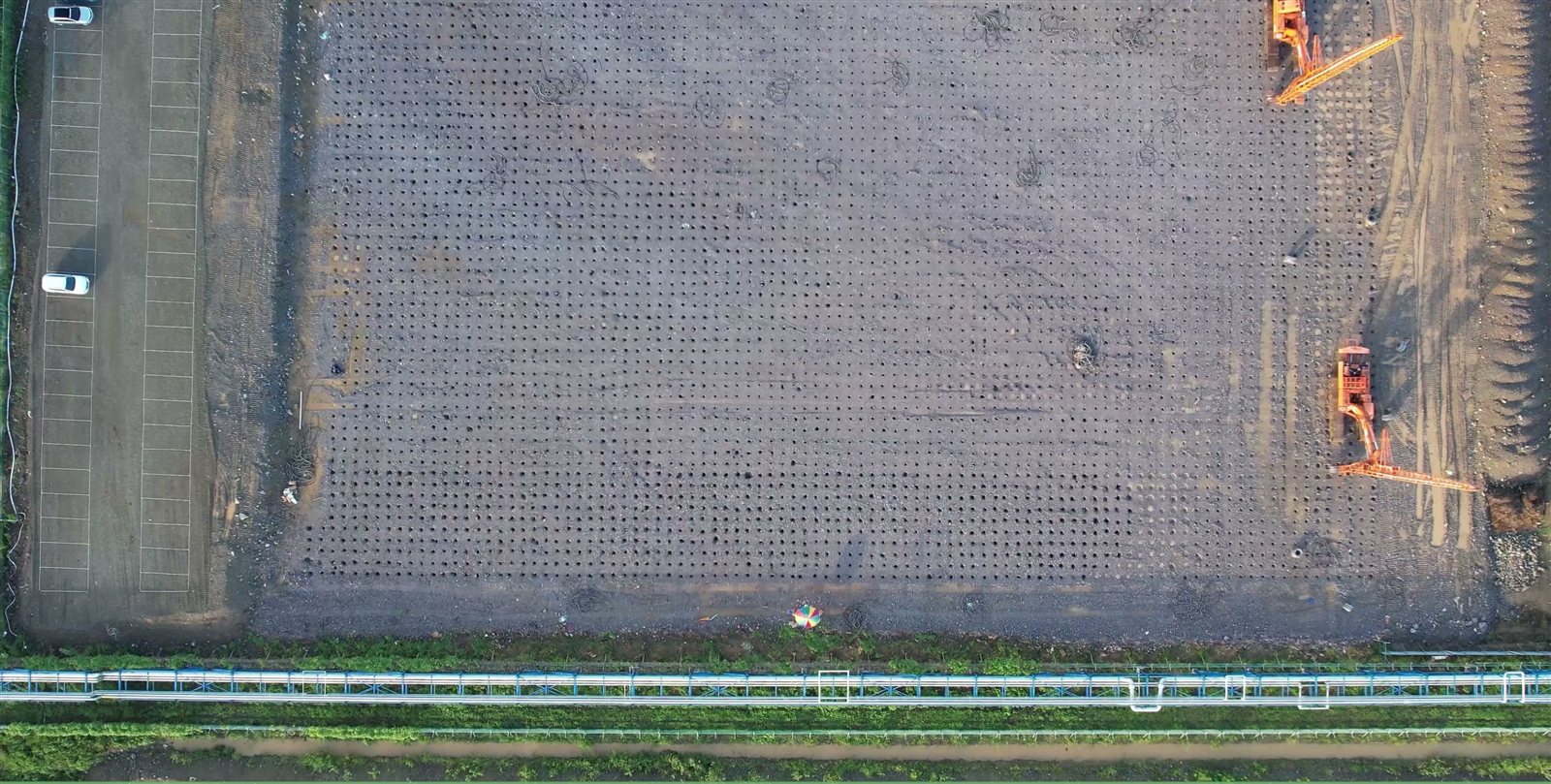
- 01PVD installation
Vertical drains to planned depth and spacing
- 02Horizontal pipe connection
Drain, airtight connector, and header path
- 03Vacuum application
Pump and collection plant — initial checks
- 04Consolidation control
Vacuum and instrumentation to close-out
Key construction procedures
- Prior site investigation and planning
- Site preparation
- PVD fabrication and installation
- Horizontal pipes and vacuum-pump connection
- Instrument install and operation
- Vacuum application and surcharge if required
- Post investigation and close-out
Field applications
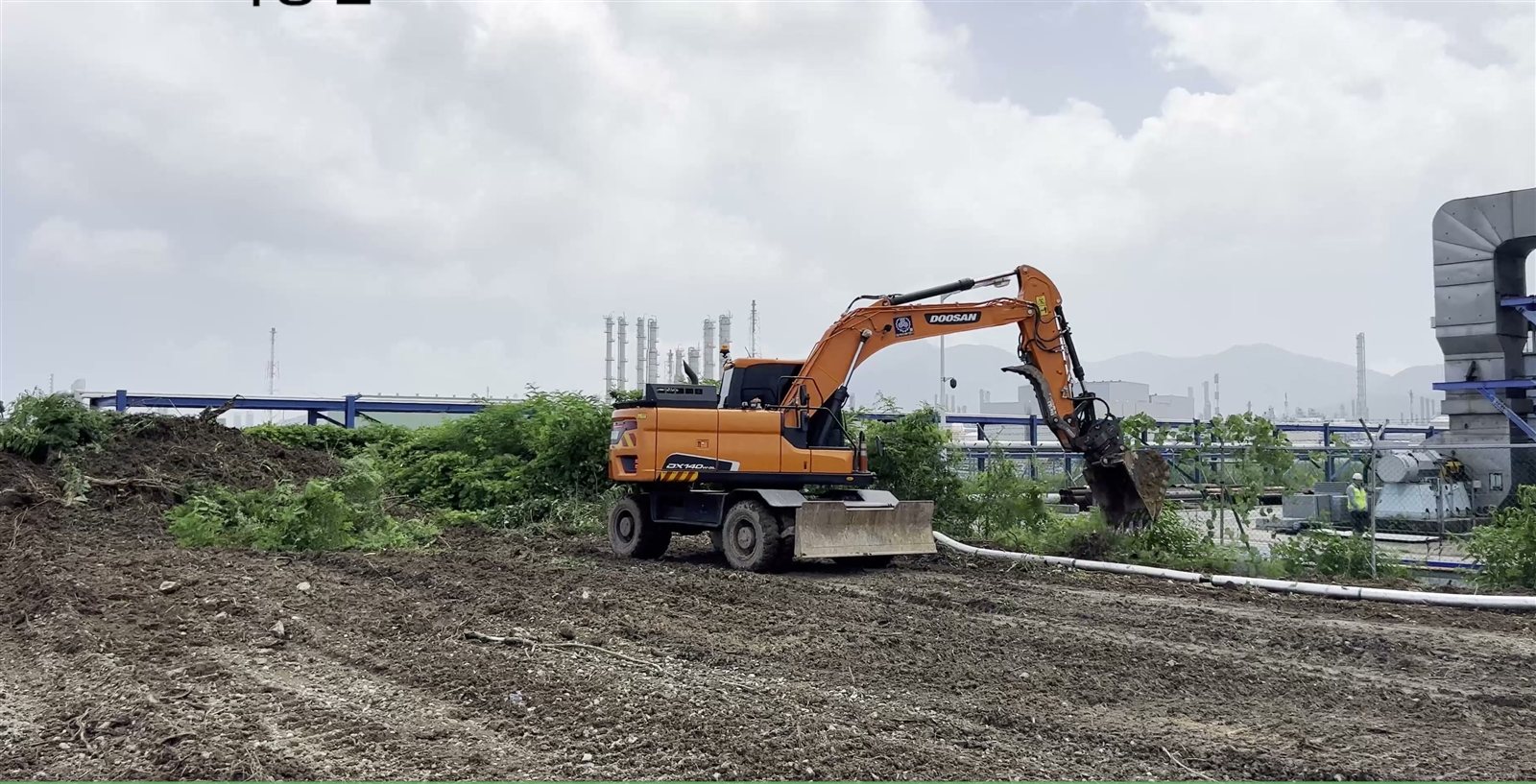
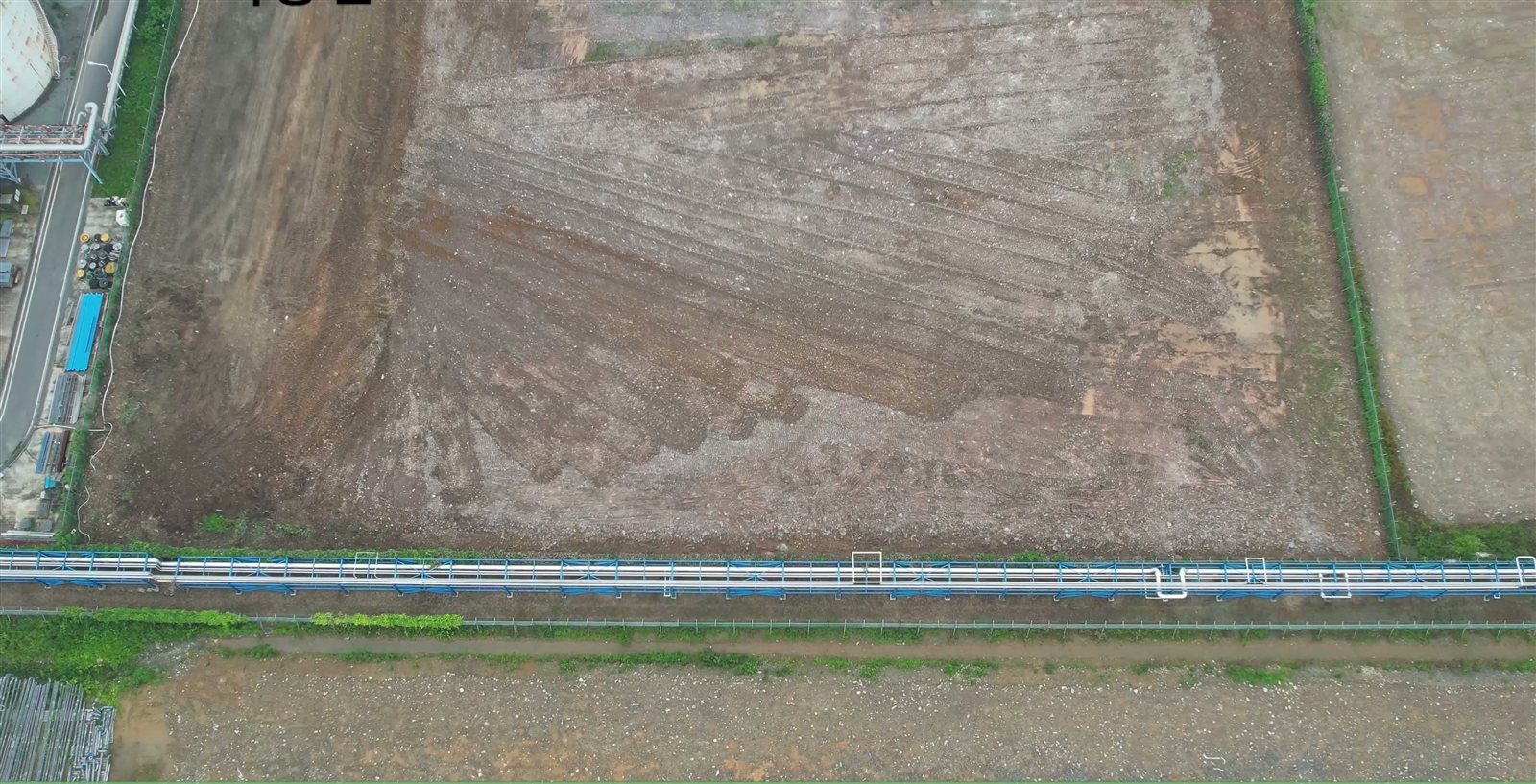
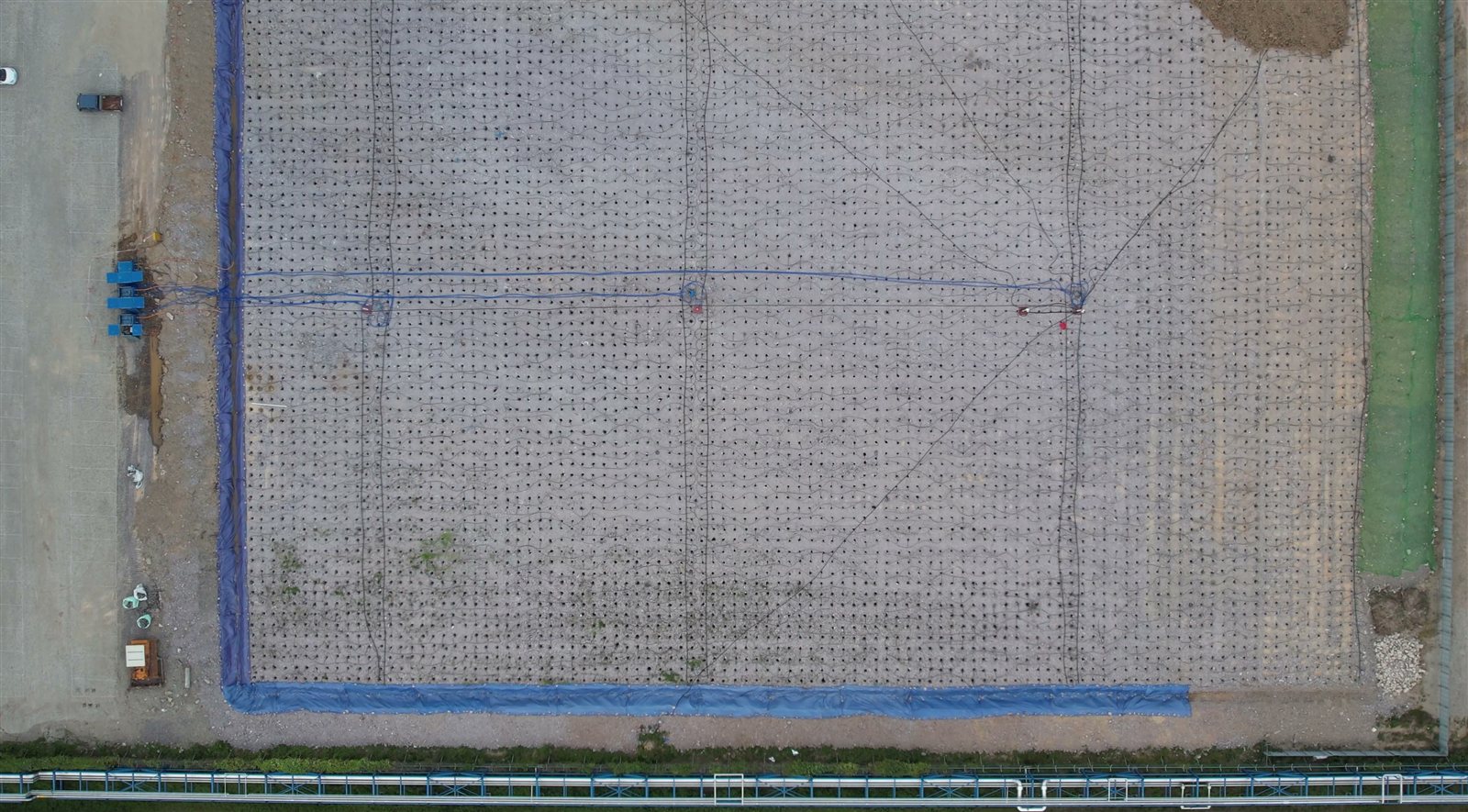
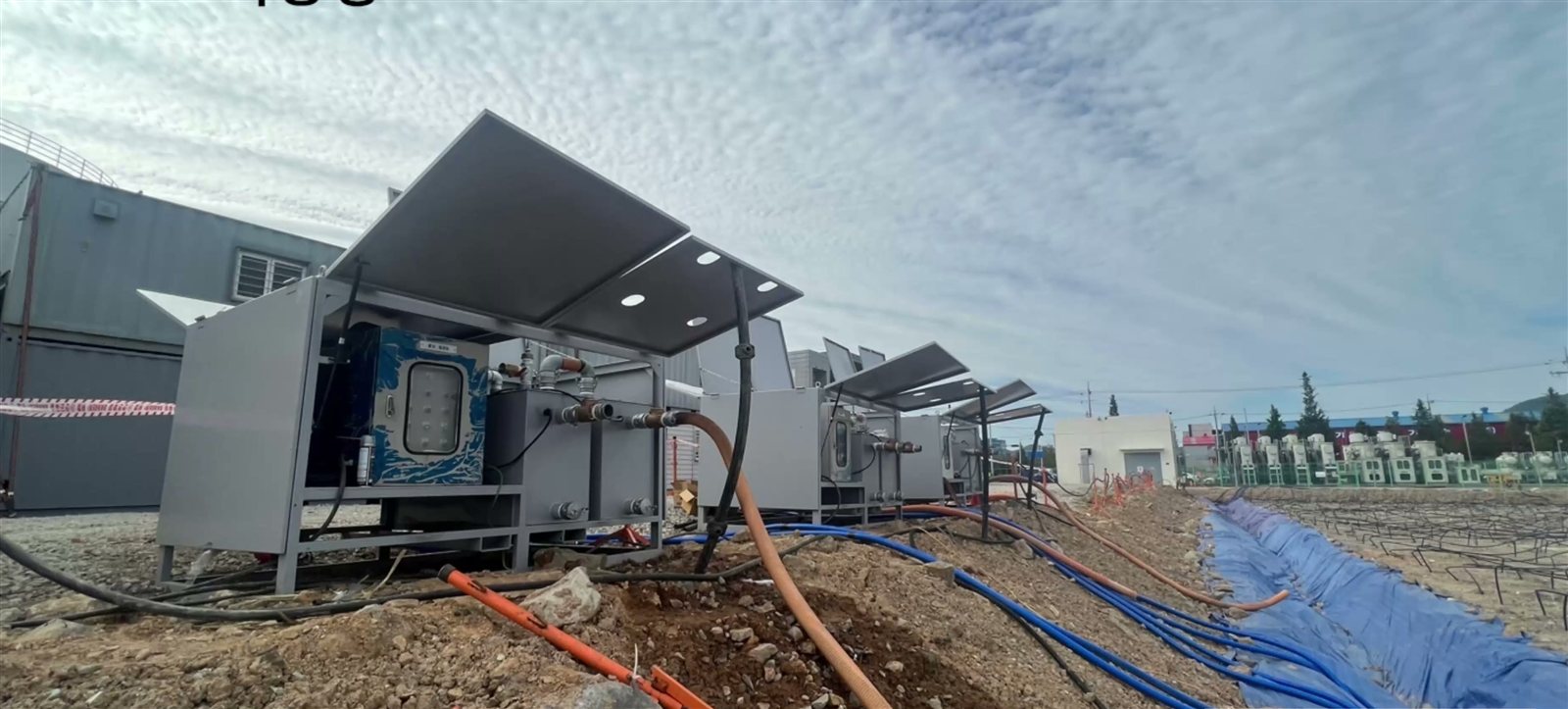
Site photos from PVD installation through vacuum-pump operation